
Running an online shop in Germany has never been a regulation-free ride. But 2026 is shaping up to be one of the busiest years yet for EU regulation updates. From a new withdrawal button requirement to sweeping accessibility rules, the regulatory stack is getting taller, and German enforcement culture means you can’t afford to ignore it.
Here’s a plain-language breakdown of what’s changing, what’s already in force, and where to focus your energy.
Table of Contents
Mandatory Withdrawal Button for Online Shop in Germany
If your store sells subscriptions, digital services, or any product under a distance contract, you now need to provide an easy electronic cancellation function, not just a support email or a buried policy page!
Under the updated Consumer Rights Directive (EU) 2023/2673, the cancellation process must be as simple as the checkout process. Think a clearly labeled button that walks the customer through terminating a contract in just a few clicks. The deadline for compliance is June 19, 2026.
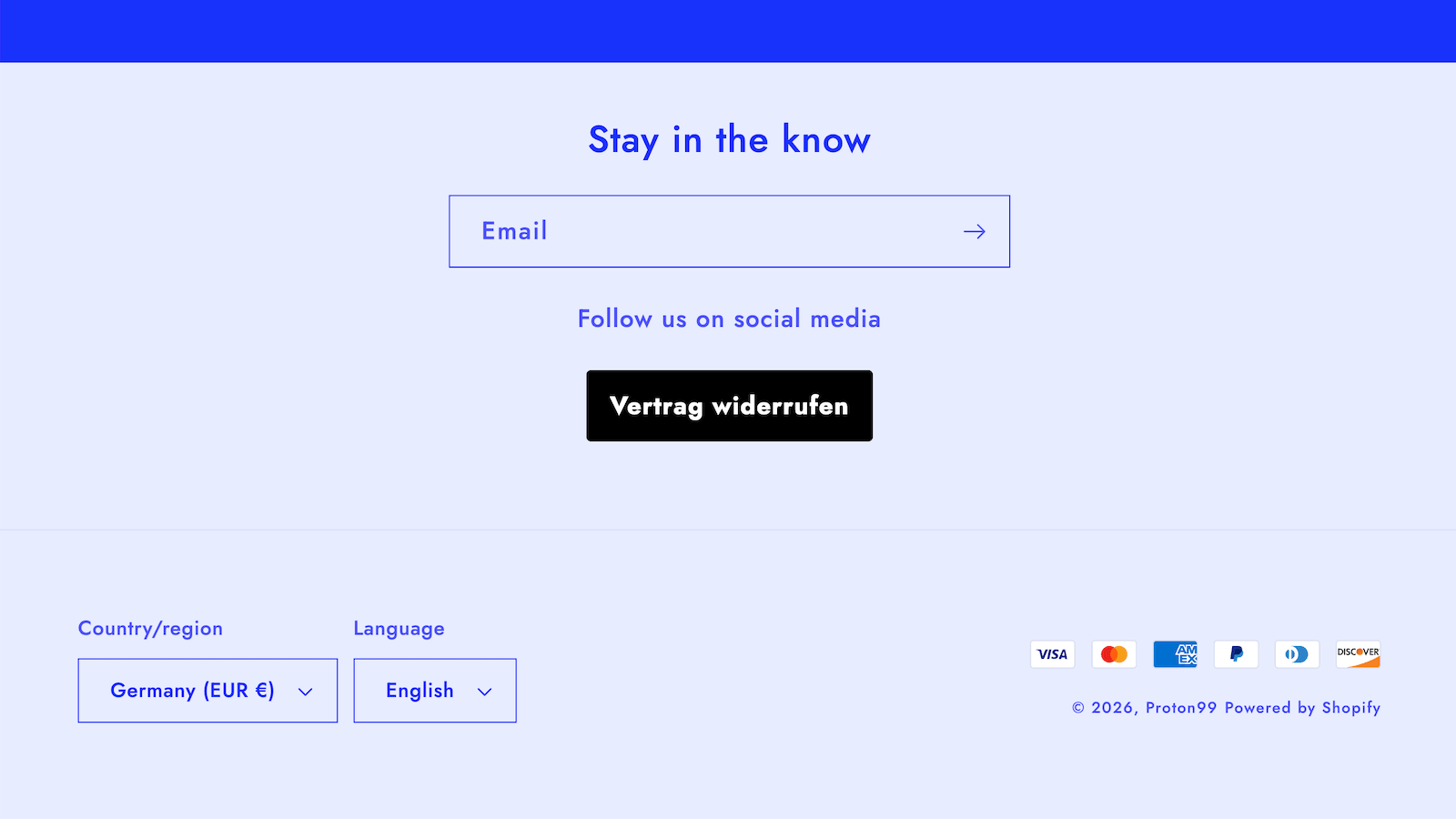
This is particularly relevant for SaaS products, subscription boxes, and plugin or software licences sold with recurring billing. At SeedGrow, we provide the Widerrufsbutton app to help merchants get compliant with the Consumer Rights Directive update (Directive (EU) 2023/2673).
Accessibility Is No Longer Optional
The European Accessibility Act (EAA), implemented in Germany as the Barrierefreiheitsstärkungsgesetz (BFSG), is one of the most underestimated compliance areas heading into 2026. It applies to a broad range of ecommerce websites selling to EU consumers and requires:
- Accessible navigation and keyboard usability
- Screen-reader compatibility
- Readable forms, labels, and buttons
- Accessible checkout flows
This isn’t just about edge cases. Inaccessible stores are increasingly a legal liability, and Germany’s active consumer protection associations make enforcement very real.
If you haven’t run an accessibility audit on your store yet, now is the time.
Product Safety Just Got Stricter
The European General Product Safety Regulation (GPSR), which came into force in late 2024, is now fully in effect and relevant for anyone selling physical goods online. Requirements include:
- Traceability information on product listings
- Manufacturer or importer details
- Product safety information displayed online
- Recall procedures
- A responsible EU-based person if you’re a non-EU seller
This catches a lot of dropshippers and marketplace sellers off guard. If you source products from outside the EU and sell into Germany, you likely have obligations here.
Packaging: Two Rules to Follow
Germany already had strict packaging rules under the Verpackungsgesetz (VerpackG), requiring LUCID registration and participation in a licensed recycling system. If you’re shipping physical goods to German customers and aren’t registered, you’re at risk! Marketplaces can and do block non-compliant sellers.
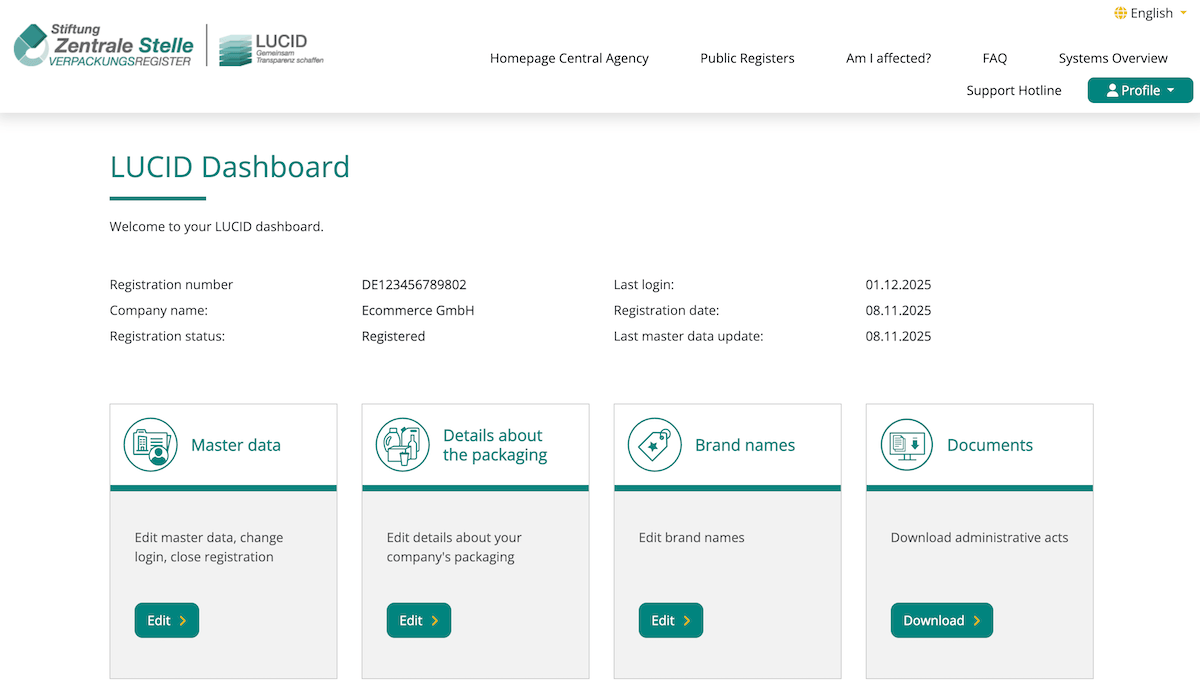
On top of this, the new EU Packaging and Packaging Waste Regulation (PPWR) kicks in from August 2026, introducing stricter recyclability requirements and extended producer responsibilities across EU member states. Cross-border ecommerce operations should start reviewing packaging materials now.
Price Transparency and Fake Urgency
The Omnibus Directive rules around price transparency have been active for a while, but enforcement in Germany is aggressive. The key rules:
- During any sale or discount, you must display the lowest price from the last 30 days
- Reviews must be genuine and disclosed as verified or unverified
- Fake countdown timers or manufactured scarcity claims are illegal
Competitors (not just regulators!) can issue an Abmahnung (formal legal warning) for violations. This is uniquely common in Germany and can be expensive even for minor infractions.
VAT and Cross-Border Sales
If you sell across EU borders, the One Stop Shop (OSS) and Import One Stop Shop (IOSS) VAT systems remain essential. These rules have been in place for a few years now, but many smaller stores are still not fully compliant. As transaction volumes increase or new markets are entered, the obligations grow. The upcoming ViDA (VAT in the Digital Age) reforms will add further reporting requirements in the years ahead.
Digital Services Act: Relevant If You Run a Marketplace
If your Shopify or WooCommerce store allows third-party sellers or user-generated content such as product reviews, seller accounts, listings, the Digital Services Act (DSA) may apply. Requirements can include illegal content reporting mechanisms, transparency on ranking and advertising logic, and complaint handling processes. The bigger your platform, the more obligations apply.
The Stuff That’s Always There (But Still Gets People)
A few compliance areas aren’t new but remain the most common sources of legal trouble in Germany:
- Impressum: mandatory legal notice on every website
- GDPR/DSGVO: lawful basis for data processing, privacy policy, cookie consent (via a proper CMP), and data processor agreements
- Button solution: the checkout button must say “zahlungspflichtig bestellen” or equivalent
- Total price disclosure: tax and shipping costs must be clearly displayed before purchase
- Cancellation policy: must be clearly accessible and legally compliant
Germany’s Abmahnung culture means that even a mislabeled checkout button can result in a formal warning from a competitor. These aren’t theoretical risks.
Which EU Regulations to Focus in 2026
If you need to prioritize, here’s a practical order:
- Cancellation/withdrawal button: hard deadline of June 19, 2026. Check out Widerruf-Button app
- Accessibility audit: growing enforcement, and technical fixes take time
- GPSR product safety: especially if you sell physical goods from non-EU suppliers
- Packaging compliance: LUCID registration and PPWR readiness
- Price transparency: review how discounts and urgency elements are displayed
- GDPR and cookie consent: audit your CMP and processor agreements
Staying compliant in Germany takes ongoing attention, but the stores that get ahead of these changes aren’t just avoiding fines, they’re building customer trust in a market that takes consumer rights seriously.
Have questions about how specific Shopify apps interact with any of these requirements? Drop a comment below.